A large number of monsters and animals are recorded in The Classic of Mountains and Seas, leaving people unlimited room for reverie. And many monsters in Japan were handed down from our wonderful book Shan Hai Jing. The development of Japanese animation industry has made Japanese monsters world-famous and become a business card for Japanese cultural promotion. Now in China, creators are more willing to apply it to cultural works.
author | Living in small meat
read and edit | Time
edit | Time
source | Yinke aesthetics
"Goodbye Monster of Shan Hai Jing" is showing. Have you seen it? A large number of monsters and animals are recorded in The Classic of Mountains and Seas, leaving people unlimited room for reverie.
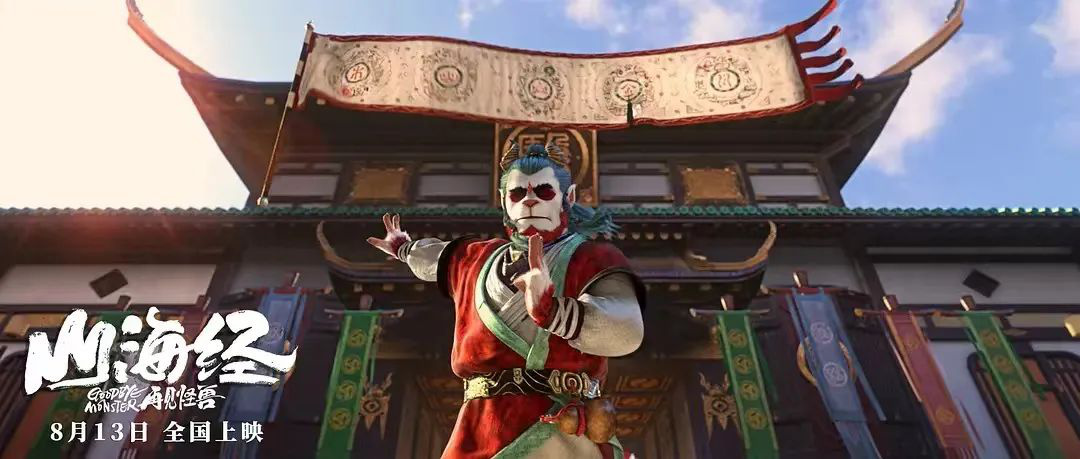
Japan is also celebrating their Ghost Festival-the Orchid Festival these days. In fact, many monsters in Japan are from our wonderful book "Shan Hai Jing".
Today, Xiao Yin will tell you about the inextricable relationship between China monsters and Japanese monsters and Shan Hai Jing.
How many monsters of Shan Hai Jing did Japan "steal"?
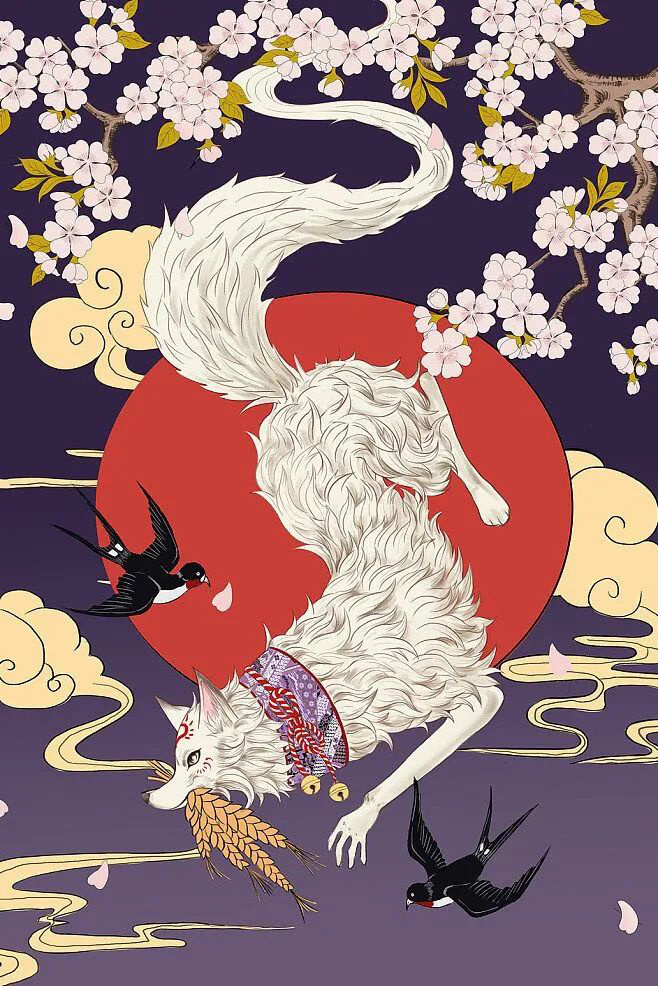
Japan is known as eight million gods, but in fact, many monsters there are from Shan Hai Jing.For example, Mermaid, Tengu, phase liu and River Boy, but the most powerful one is the nine-tailed fox.
How tough is the fighting capacity of the nine-tailed fox? Ordinary concubines were basically killed or committed suicide after being called a femme fatale, but the nine-tailed fox not only didn’t die, but also immigrated to Japan and started his old job.
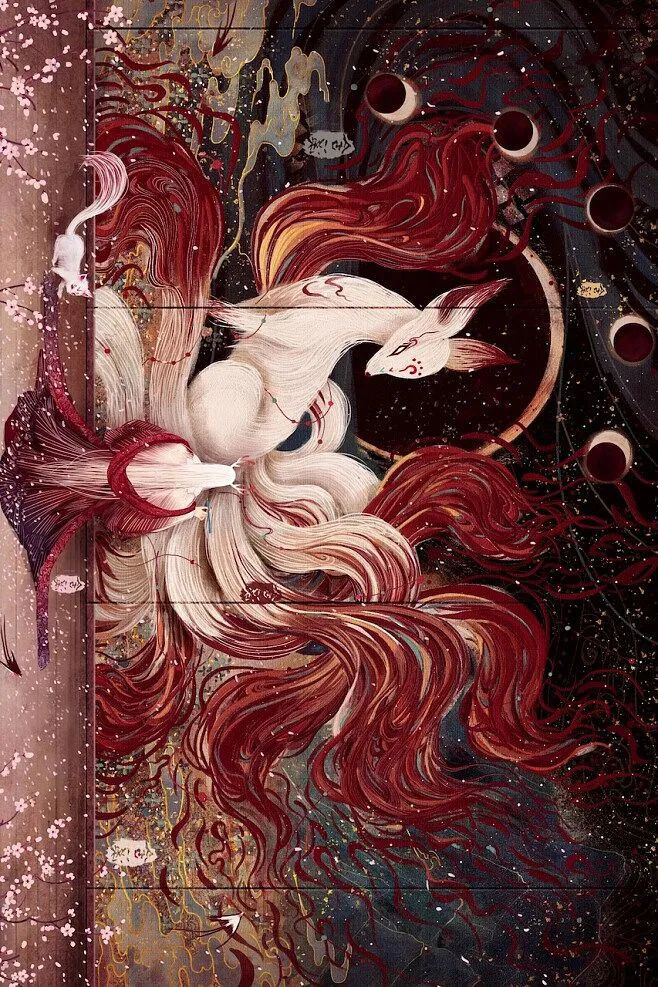
△ Source: Shexi
That is to seduce the emperor, replace him and take over the whole of Japan.
I can see that he is a monster with a very strong ambition.
Unfortunately, the Nine-tailed Fox’s business was not half finished, but the middle road collapsed. Her head was beheaded and her body turned into a "killing stone".
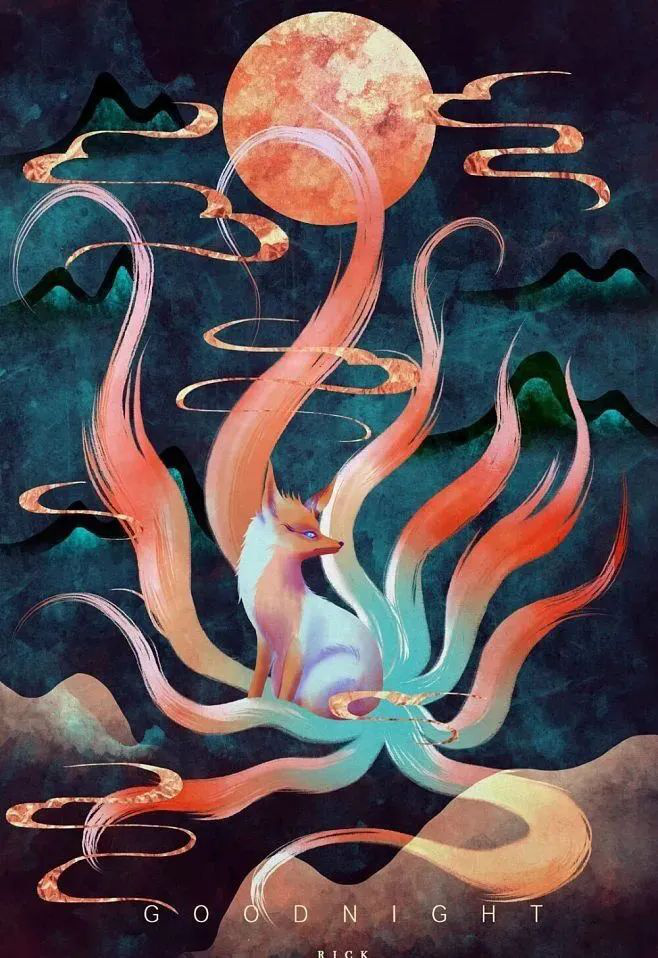
△ Source: Chess and whimsy
With the nine-tailed fox at the forefront, those monsters who couldn’t get along in Shan Hai Jing packed their bags one after another, and sailed across to Japan, the most famous of which was phase liu.
Legend has it that during Dayu’s flood control, there was a little nine-headed serpent named phase liu, who fought against Dayu, but Dayu didn’t get used to it and cut off its head directly.
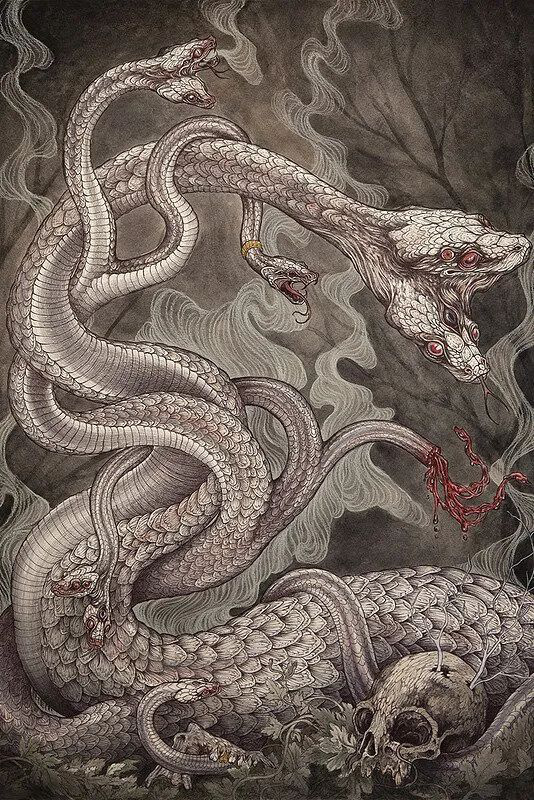
△ Source: Zero Candle Book
However, this serpent didn’t die, but flew to Japan with a pseudonym of Hachi Serpent, and then was pleasantly surprised to find that it was originally a war scum in China, and it could be a bearer here.
Hachi Serpent: Oh, I love it here.
Looking at the scenery where the nine-tailed fox and the eight-tailed serpent mix together, Hebo is not only full of tears, but also from Shan Hai Jing. Why is he so miserable?
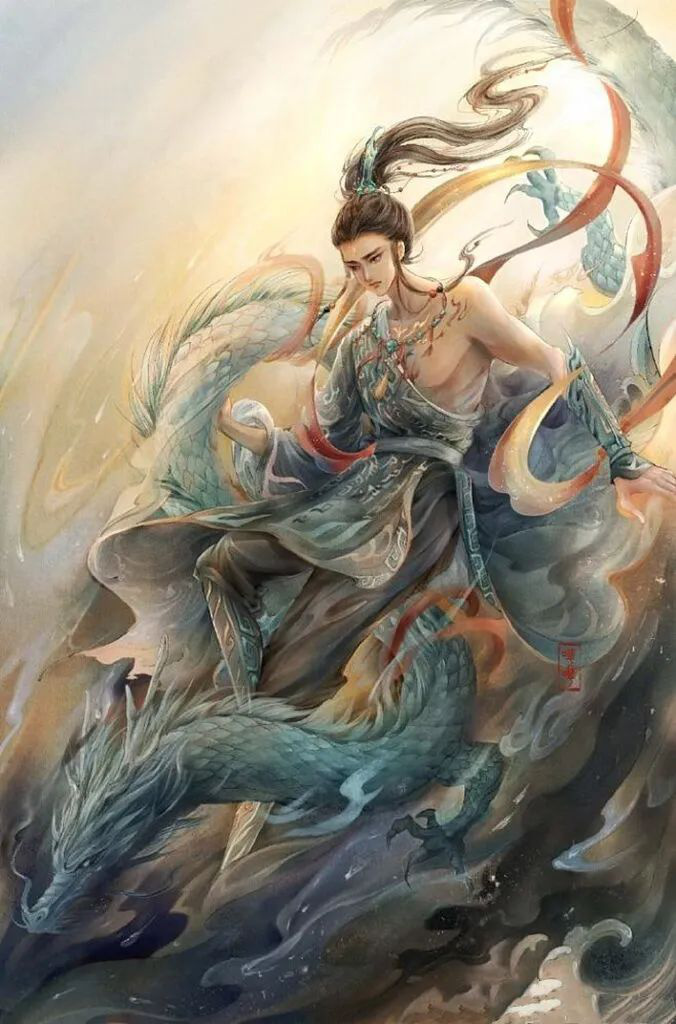
△ Source: Gu ye
Originally, a handsome male god who was appointed as the Yellow River Water God by the Emperor of Heaven came to Japan all the way, and this turned out to be the case.
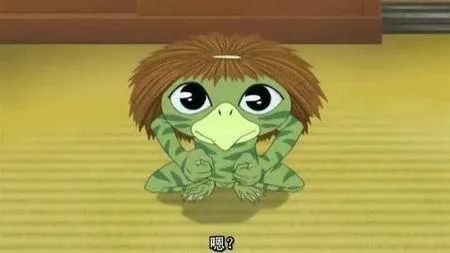
Hebo has turned into a river boy, and his appearance is ugly. He has also turned into a naughty boy shouted by everyone. The gap is not generally large. No wonder the river boy hides under the water and buckles your soles every day.
Even in modern times, the influence of Shan Hai Jing on Japanese remains the same as before. When it was shown in Spirited Away in 2019, Miyazaki Hayao said that many of his inspirations came from Shan Hai Jing.
The prototype of Tang Popo in Spirited Away is actually derived from the image of Tiangou in Shan Hai Jing.
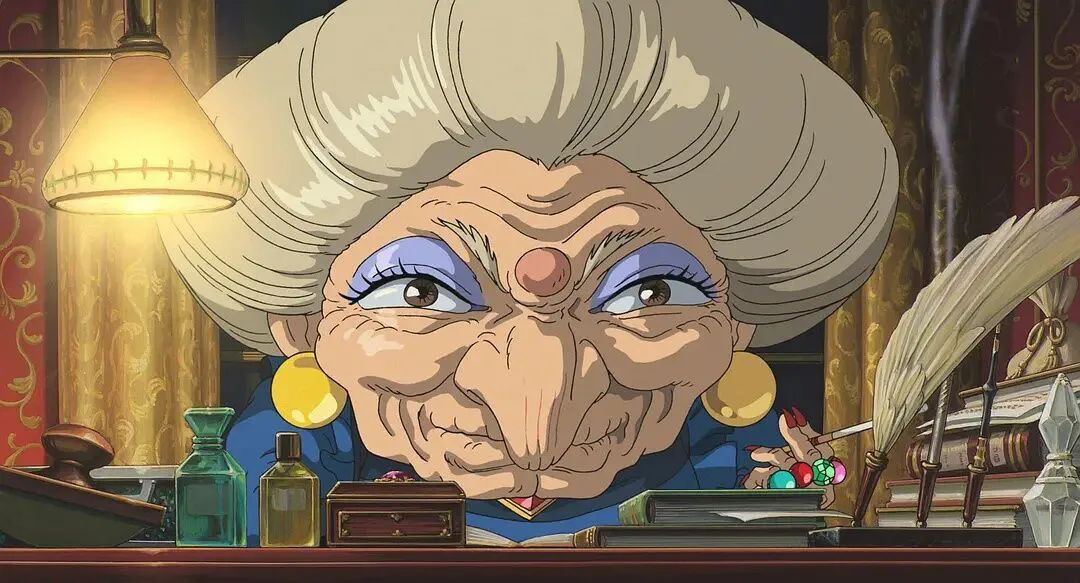
The big dog is one of the three monsters in Japan. It has wings and a long nose. It was originally a sacred object in China, but it only became a demigod and a demon in Japan.
△ Source: whonly
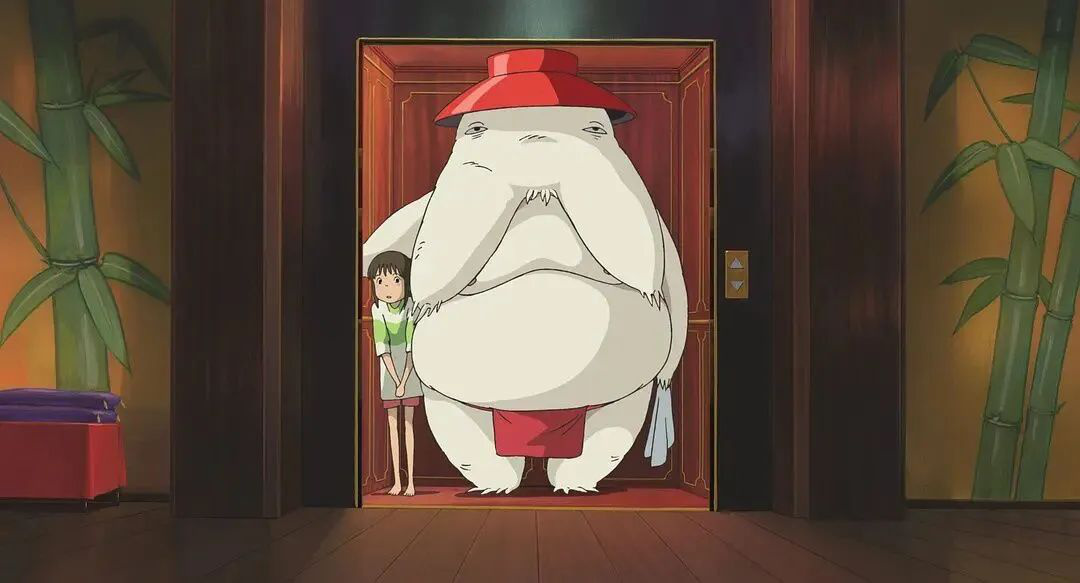
There is also the fat radish that Cocoa loves-the radish god, which is the "white sample" in Japanese mythology. Its prototype is the silkworm god in Shan Hai Jing, also called "Ma Tou Niang".
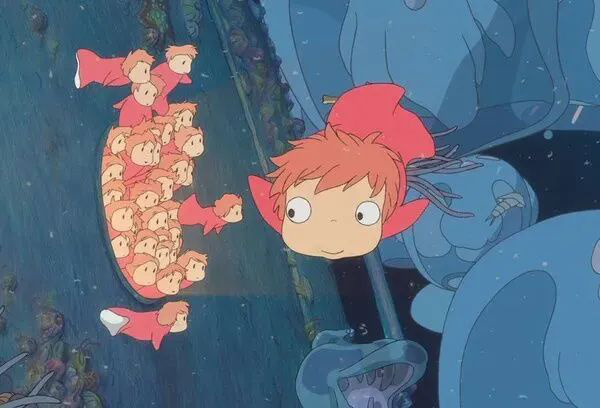
There is also the lively and lovely Ponyo in Jin Yuji on the Cliff. Her prototype is also from the red tuna in Shan Hai Jing Nan Shan Jing. This fish has a beauty face, which sounds like a mandarin duck and has only one partner in its life.
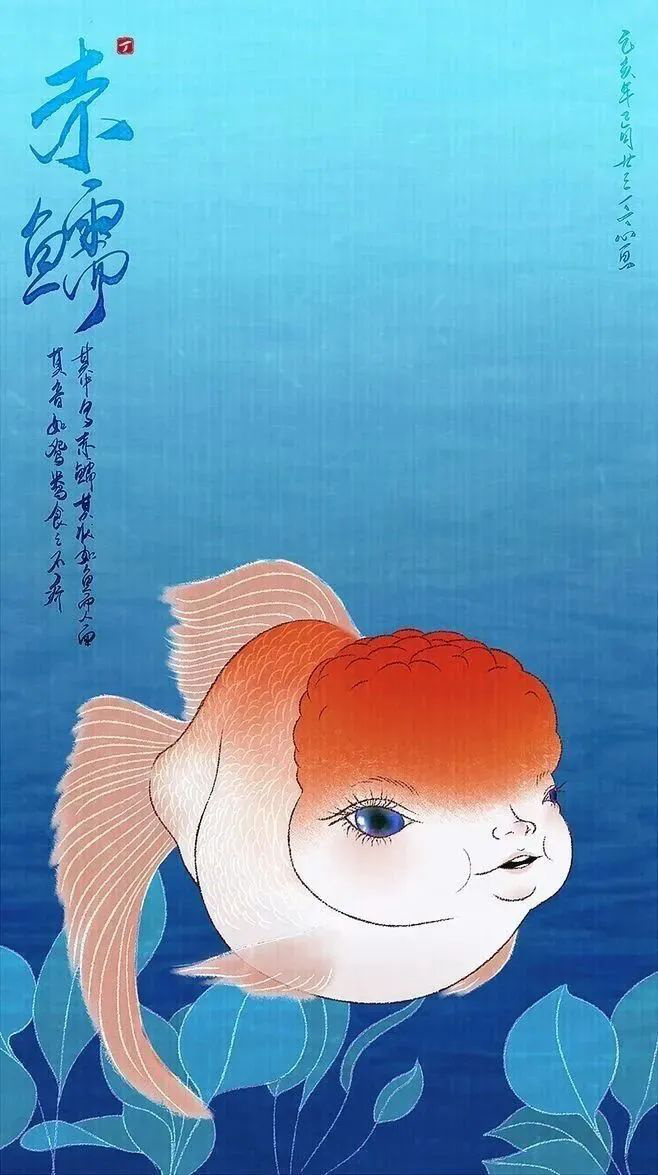
How about it? Does it correspond to Ponyo one by one?
The arrival of The Classic of Mountains and Seas has brought about a phenomenon that is beyond the public’s understanding.The affirmation of "official explanation" unified people’s cognition.
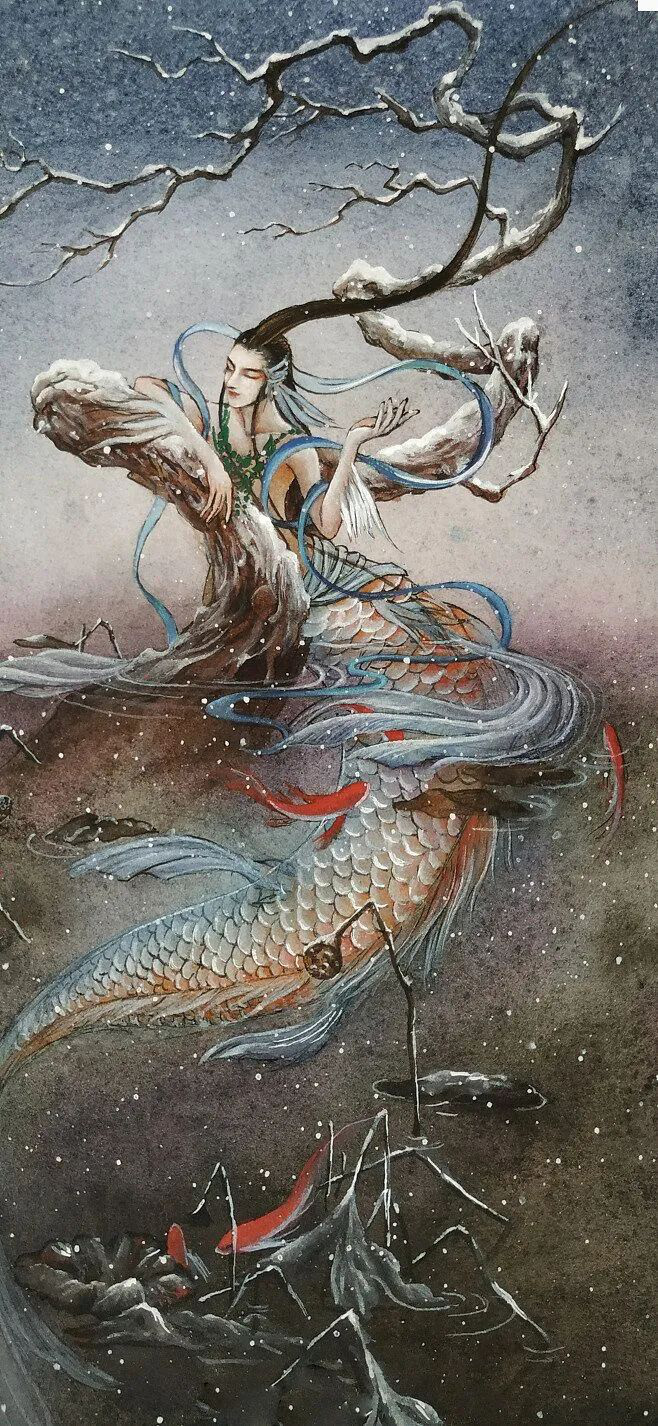
The Japanese integrated the monsters from afar in The Classic of Mountains and Seas into the culture of the island country. After the evolution of localization, the monsters took root, formally established the Japanese monster system and cultural structure, and formed a unique Japanese monster culture.
△ Source: Sugizawa
Most Japanese monsters come from The Classic of Mountains and Seas, but in fact, many monsters in China are not monsters in The Classic of Mountains and Seas, but appear from strange novels. Most monsters in The Classic of Mountains and Seas are grotesque monsters of different birds.
Then why doesn’t China’s monster glory depend on Shan Hai Jing, a collection of monsters?
China monster "not rare" Shan Hai Jing?
The real prosperity and development of monster culture in China and the construction of a complete monster system are mainly due to the spread of strange novels in the Southern Dynasties and ghost novels in the Ming and Qing Dynasties.
The Classic of Mountains and Seas is more like an opportunity for the monsters in China to make a collective appearance. The monsters basically only record their strange appearance and special habits in the book, and there is no story. The book introduces hundreds of rare birds and animals in just tens of thousands of words, which is more like "Fantastic Beasts and Where to Find Them".
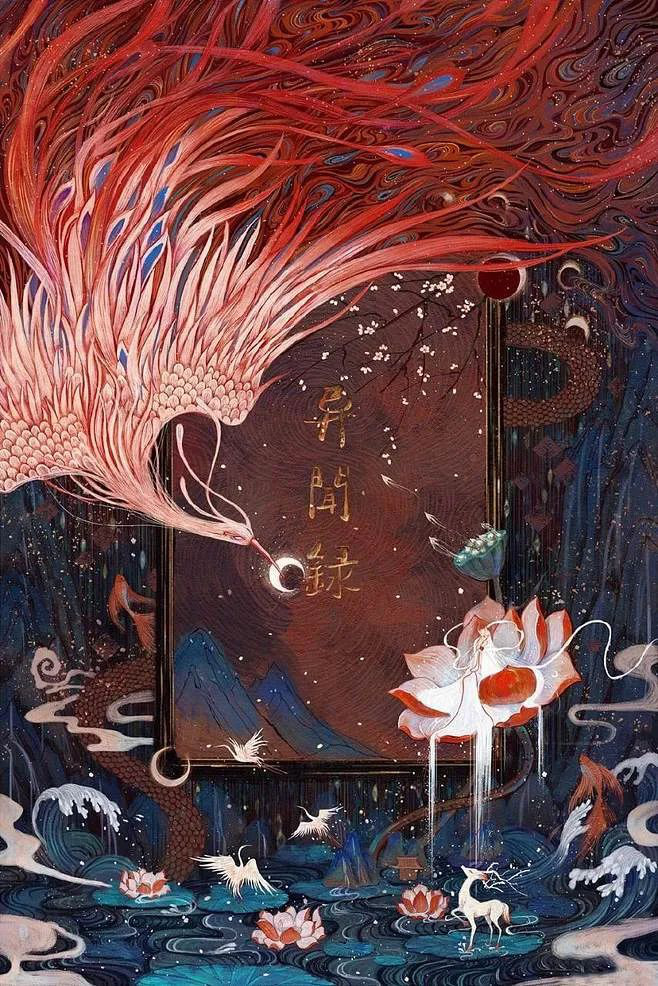
△ Source: Yan Zhi
The monster in Shan Hai Jing is more like a monster than a monster in people’s cognition. After all, which country’s monster will write a sentence at the end of the introduction: efficacy and delicious meat.
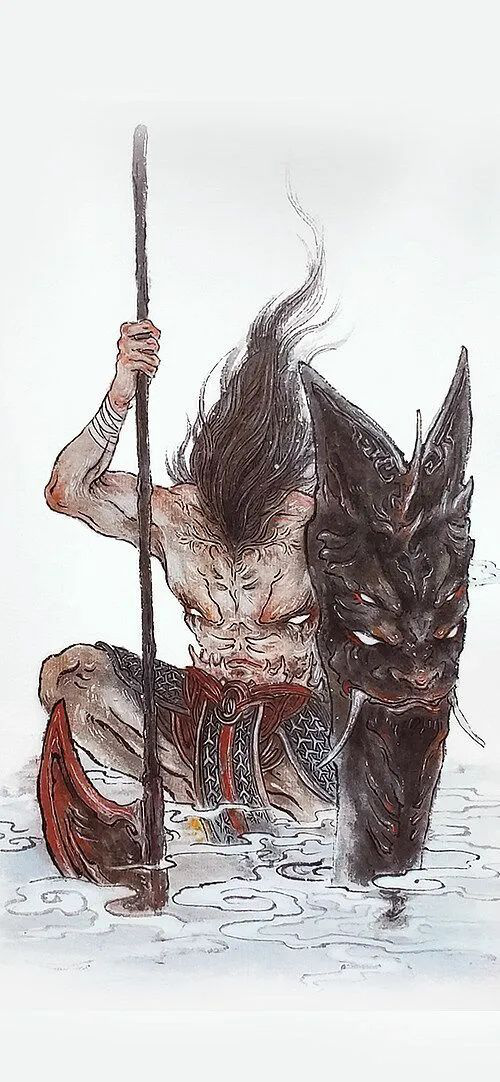
△ Source: Sugizawa
The development trend of monster culture in groups was in the Southern and Northern Dynasties.At that time, the society was in turmoil, people were in panic, Buddhism and Taoism developed rapidly, and the ghosts and gods were flaunted and the supernatural was gradually spread.
Compared with the monsters in Japanese and Shan Hai Jing, most of the monsters in China are scattered in mystery novels.
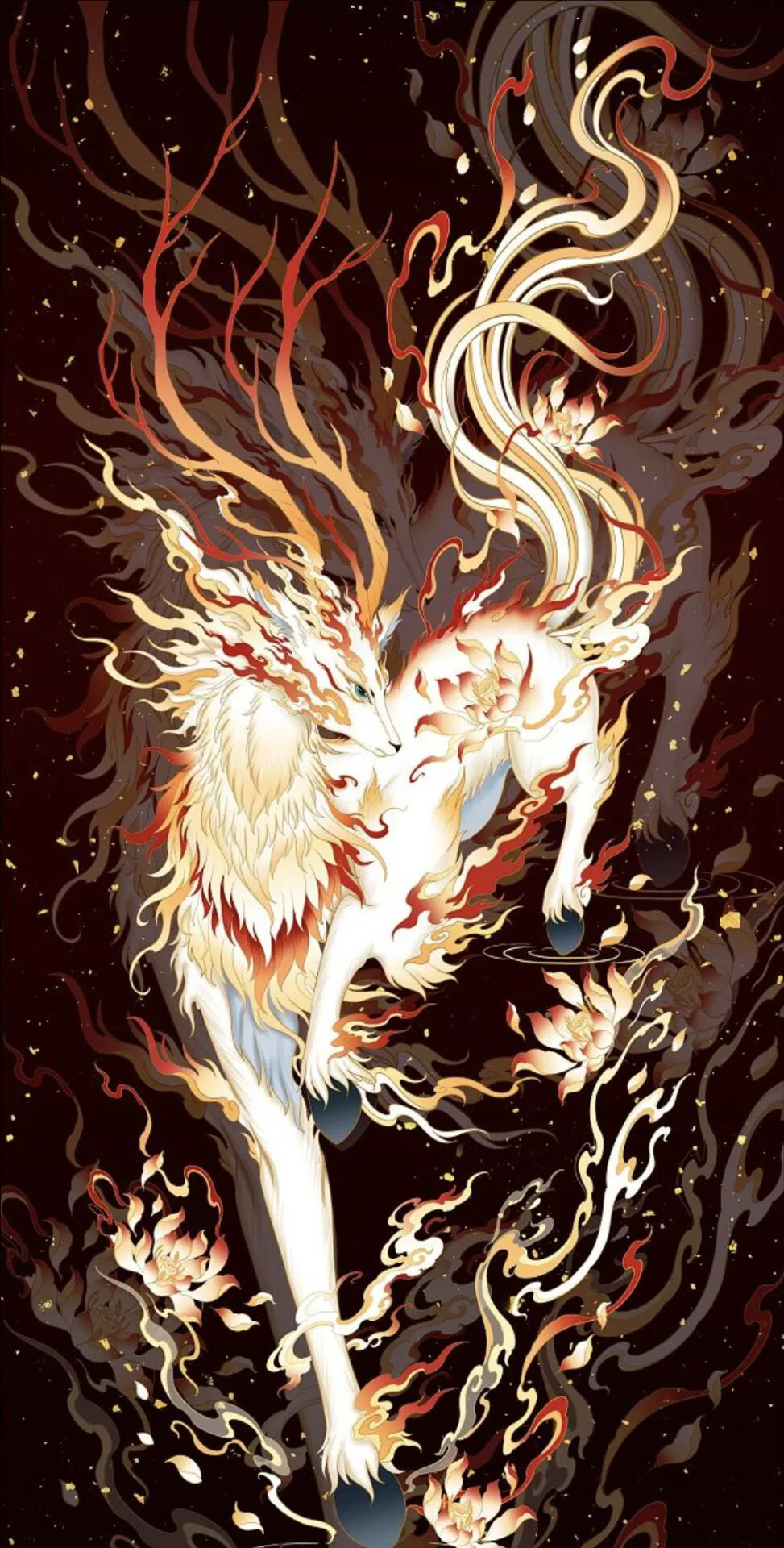
△ Source: He Moxiu
Many representative novels about supernatural beings came into being during this period, such as Searching for the Gods and Natural History, which not only recorded a large number of monster images, but also enriched their behaviors and things, making monsters evolve from mysterious unrealistic creatures into elves and ghosts transformed from animals and plants.
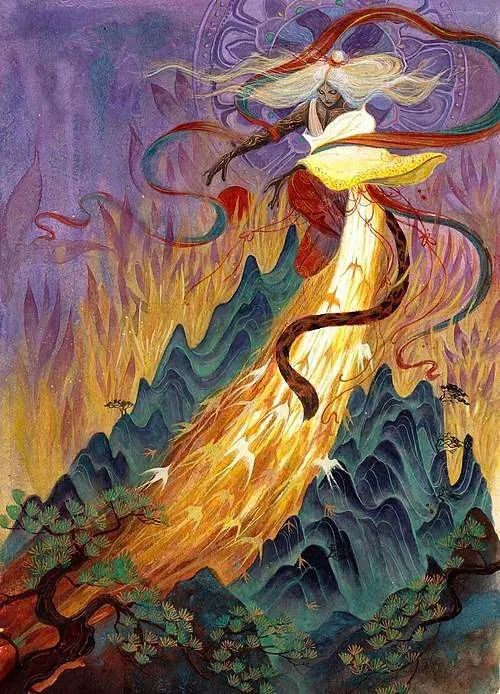
△ Source: He Moxiu
However, the main task of monsters in this period is not to harm the world, but to talk about love.
For example, A Zi, the fox demon in Searching for the Gods, turned into a beautiful woman and seduced a man on earth. They became a happy couple, and only when the fox demon was discovered by the hounds did she run away.
There is also the same routine for the sweater girl. A mortal man married a girl turned into a bird and gave birth to three daughters. Later, the banshee flew away.
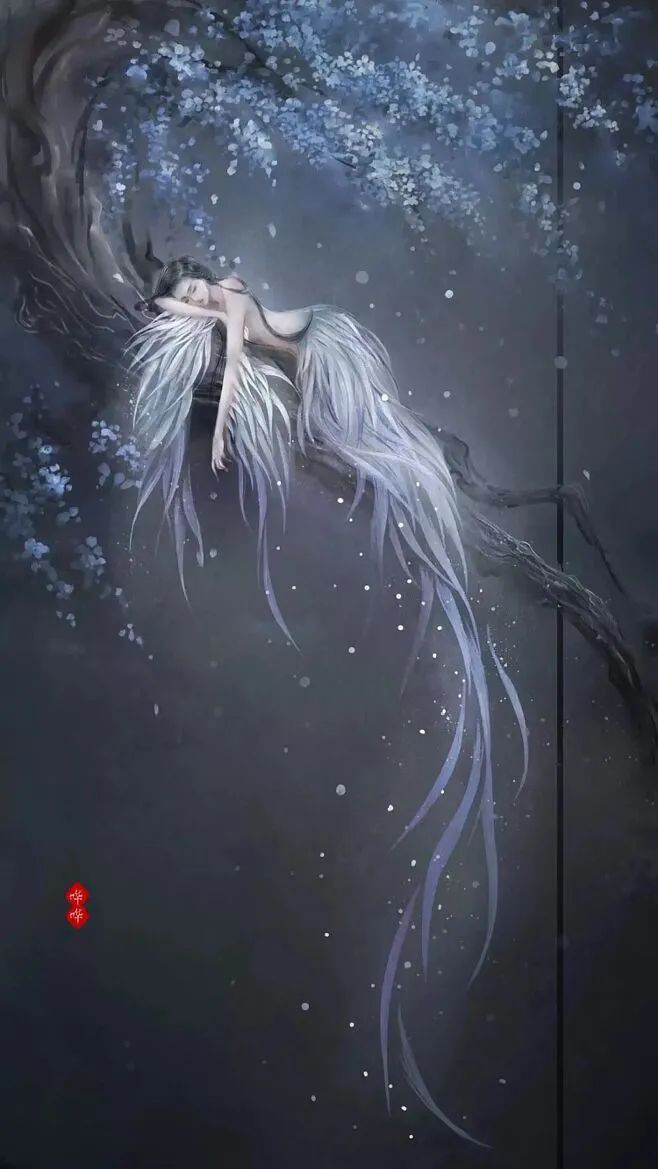
△ Source: Absurd bu Classic
During the Song Dynasty, monsters not only realized the illusion of human form in image, but also were endowed with more secular desires in thought, which laid the foundation for the development of satirical ghost novels in the later period.
Tai Ping Guang Ji is one of the representative works, which contains a lot of information about monsters, and is one of the texts where the images of monsters were concentrated at that time.
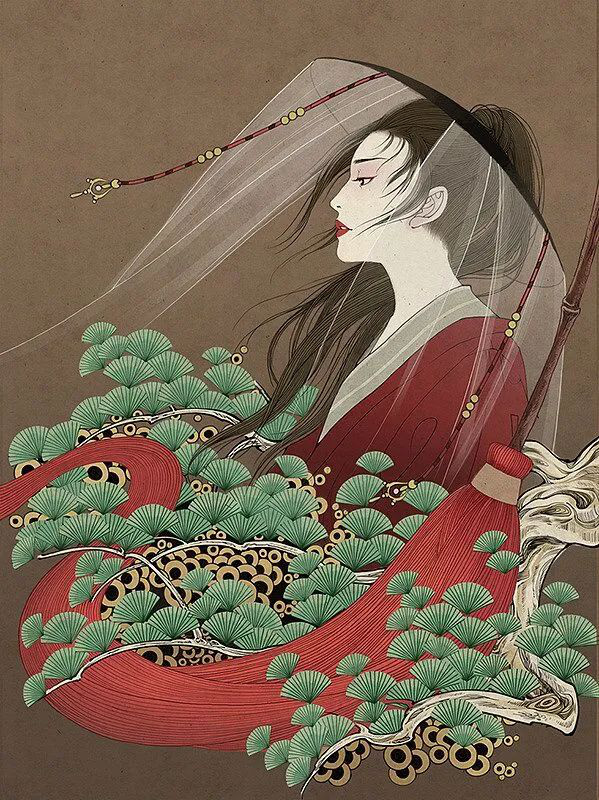
△ Source: hypocrite ベ
The appearance of ghost novels in Ming and Qing Dynasties officially made the monster culture in China step into a brand-new stage.
The supernatural-evil novels integrate the immortal system and the monster system, and construct a complete mythological system of China, which has been used ever since.
In the list of gods, the nine-tailed fox, an ancient god beast, was directly turned into a fox that charmed men, and elements of Taoist and religious figures were added. At the end, everyone was happily sealed as a fairy and built a universe of gods.
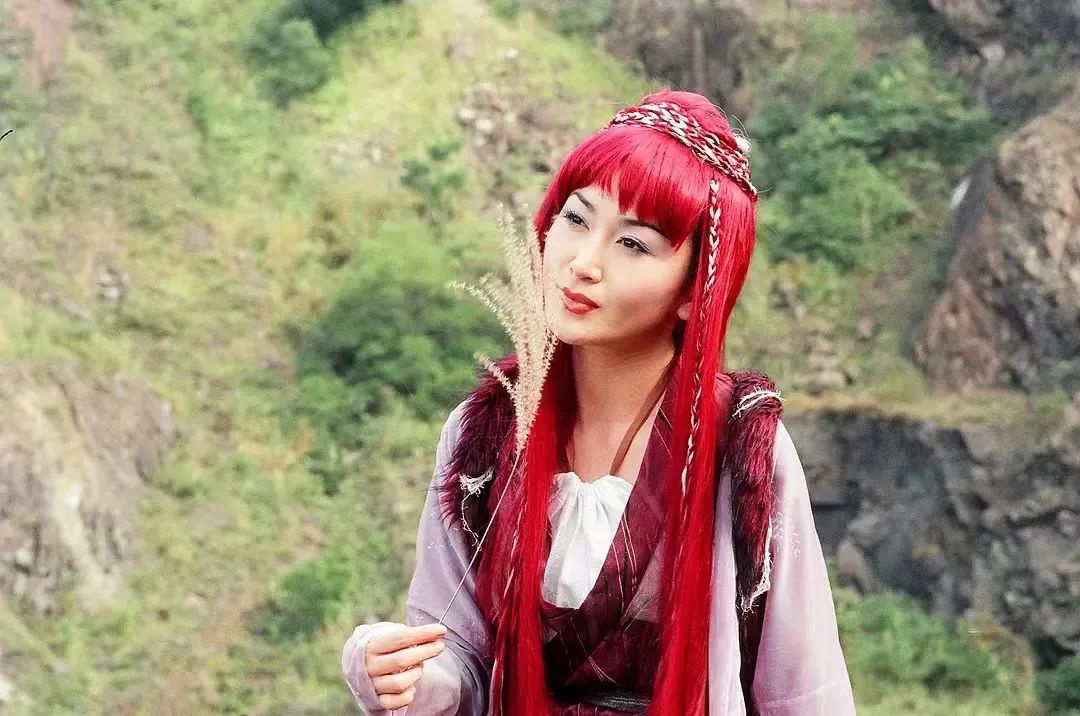
All kinds of monsters in The Journey to the West are dazzling, and they are all resource cafes with people on them, creating a precedent for monsters in the background.
The green ox spirit is the mount of the old gentleman, the mouse spirit is the dry daughter of King Tota, and the Dapeng bird is the close uncle of the Tathagata Buddha.
Many monsters appeared on the stage after you sang, and the monsters danced wildly, showing their magical powers. They became famous for a while and established their position in the Jianghu. Later generations’ cognition of monsters also came from the supernatural novels of this period.
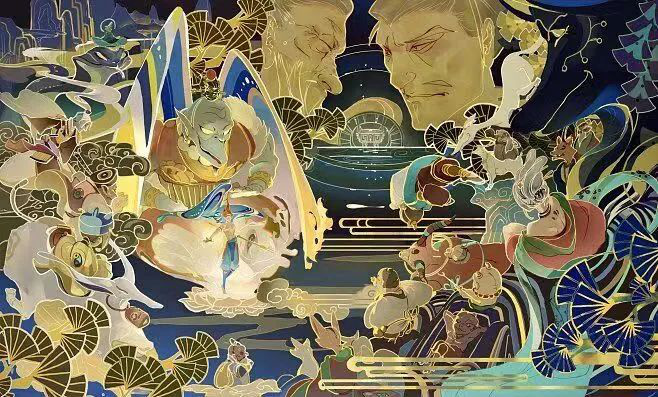
△ Source: Bawei 123
There is also Strange Tales from a Lonely Studio, which lays the foundation for ghost love. The ghost love in it is almost a KPI that every female monster must complete, otherwise it will not be a complete monster.
It can be seen that the monsters in China have made such great achievements, which has nothing to do with Shan Hai Jing. Compared with the Japanese monsters who only need to climb Shan Hai Jing to develop and grow, the monsters in China are much more casual.
Japanese like monsters better than China?
Japanese monsters are not as good as us in innate conditions, but they can also be popular all over the world. However, our monster culture, as the origin, has slowly died down and has been left on the bench, and has not formed a unique cultural form. Why?
From the perspective of historical development, monster culture runs counter to China’s mainstream cultural dogma and has never been accepted by the mainstream society.
However, the Japanese nation as a whole has a strong tendency of mysticism and has a high degree of recognition of monster culture.
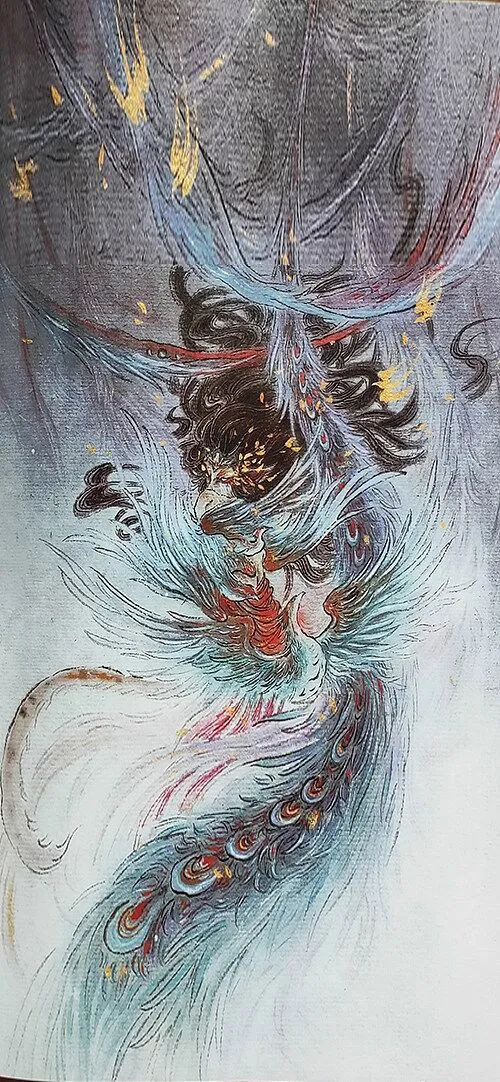
The mainstream culture of China since ancient times isConfucius and Mencius, Cheng Zhu Neo-ConfucianismHowever, the theory of ghosts and gods runs counter to the doctrines advocated by Confucianism, such as "the son speaks nothing but Machamp confuses the gods", and the monster culture is also considered to be difficult to be elegant, so it cannot form a cultural scale.
Moreover, China advocates practical dogmas such as "self-cultivation and ruling the country". Education is utilitarian, and knowledge that cannot bring fame and wealth is not worth learning. Therefore, the mainstream disdains the theory of ghosts and gods.
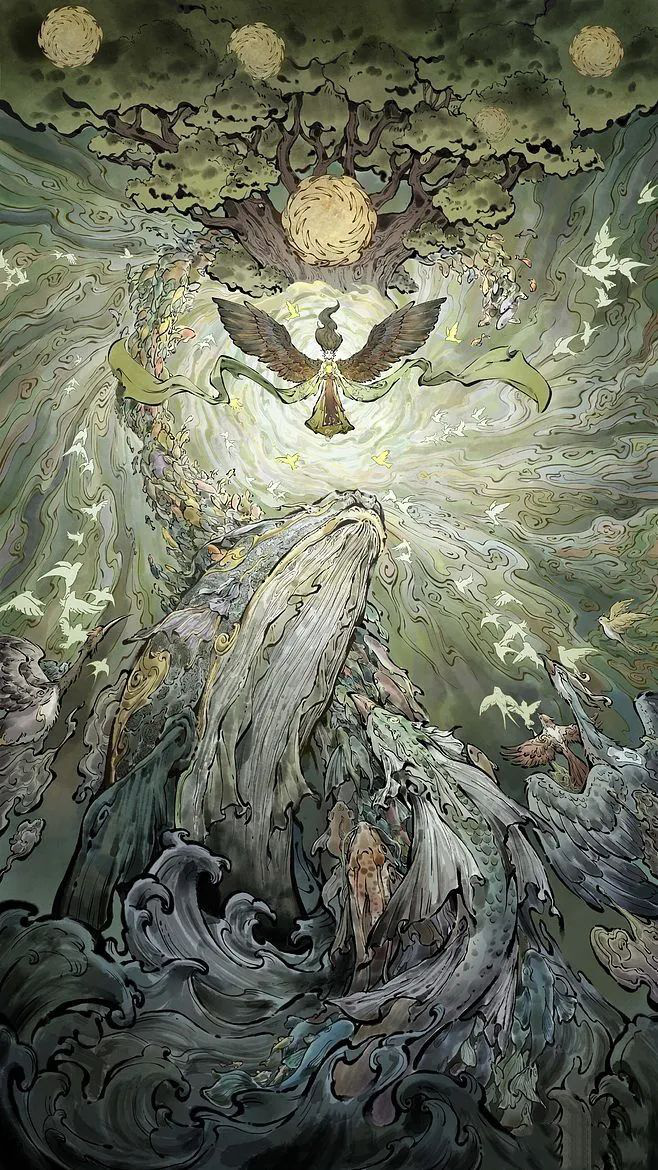
△ Source: Flower Branch Beast
The most straightforward example: Wu Cheng’en, who wrote The Journey to the West, was originally Zhang Shicheng’s aide, but his career has always been very unsatisfactory; Pu Songling, who wrote Strange Tales from a Lonely Studio, is also a scholar who has failed many times.
This clear and distant attitude leads to the monster culture in our country can only linger in the gap of orthodox culture, and it has been left to this day.
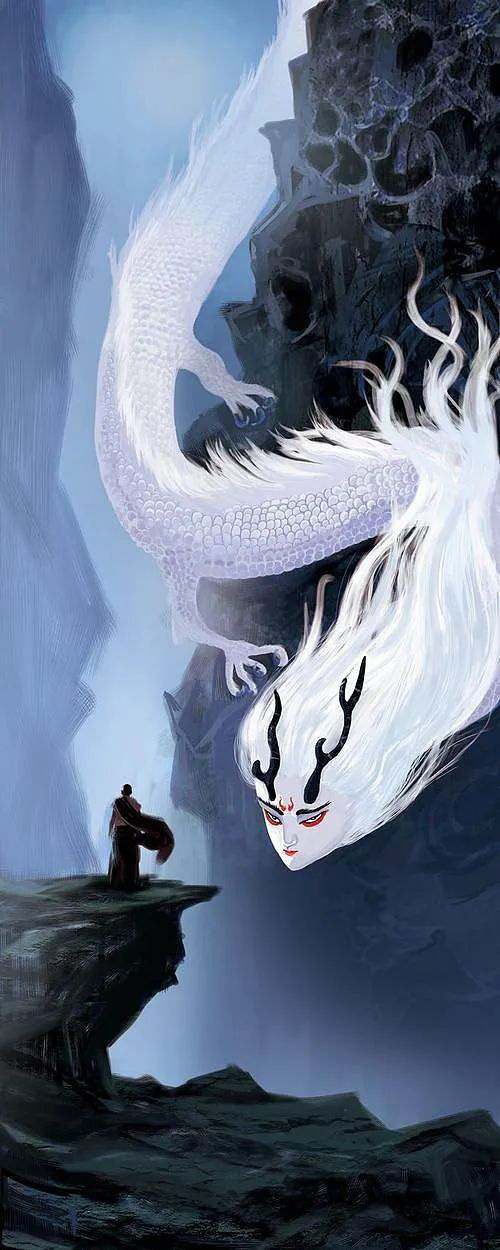
△ Source: Carson0824
However, due to the harsh living environment and narrow space in Japan, they have a closed mysticism tendency psychologically.
Coupled with frequent natural disasters, in order to transfer contradictions, the ruling class attributed natural and man-made disasters to ghosts and monsters, and it was strongly affirmed as a kind of "Foolish means”。
Therefore, the mainstream culture of Japan collides with the monster culture, which produces not friction and collision, but relatively consistent integration and evolution.
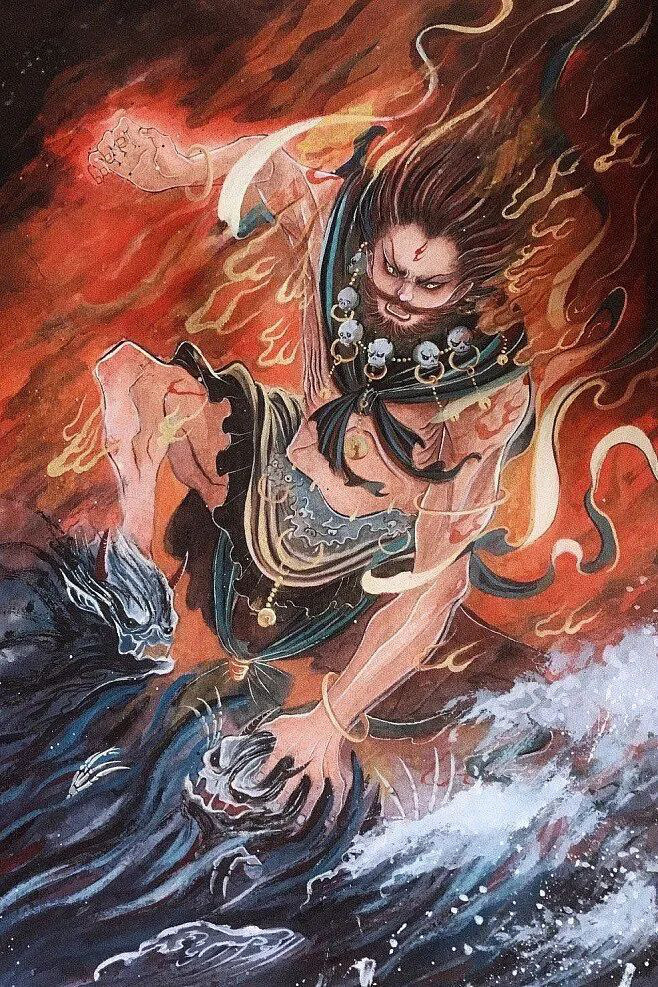
△ Source: Tuanzi King I
In Japan, there are even special settings.OnmyojiThis profession to appease the people, the Japanese people, who are already insecure, have since turned the monster culture into a folk belief and passed it down from generation to generation.
Japanese monsters can be regarded as guests, while China monsters can only sit on the bench. The fundamental reason is thatThe protection of the interests of the ruling class.
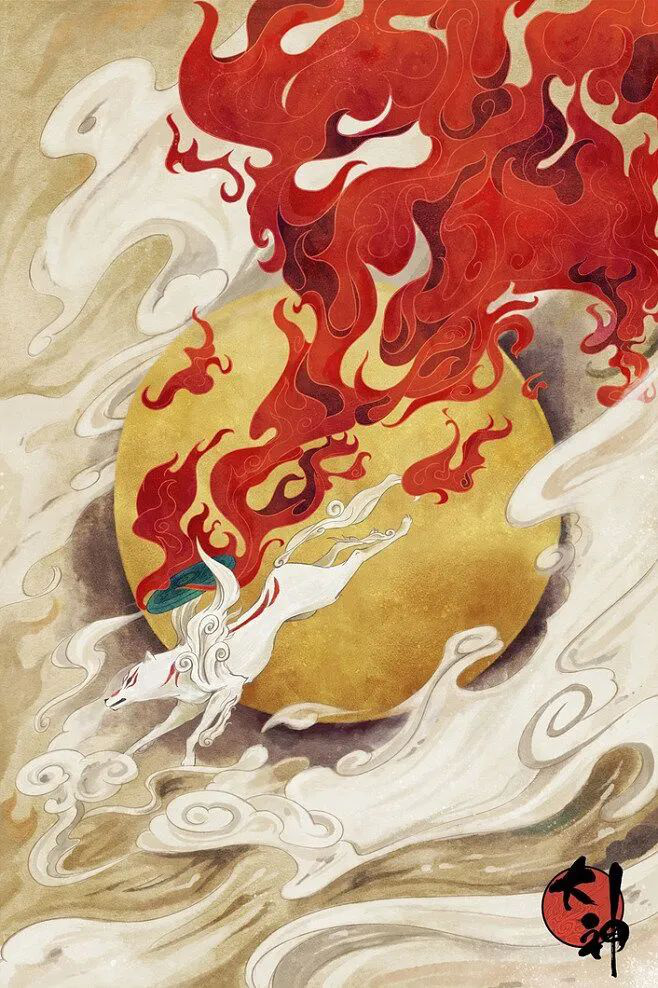
△ Source: Tuanzi King I
With the influx of western scientific thoughts, the monster culture in China has been marked.Feudal superstition labelNot allowed to be publicized; And Japan founded monster science, taking monsters as a kind offolk cultureFormal research.
At the end of the late Qing Dynasty, the entry of western culture brought great impact to the culture of China at that time, and materialism prevailed. At that time, in order to get rid of backward and ignorant thoughts, the society actively cut off the cultural inheritance in some fields, which made it difficult for modern society to identify with the monster culture.
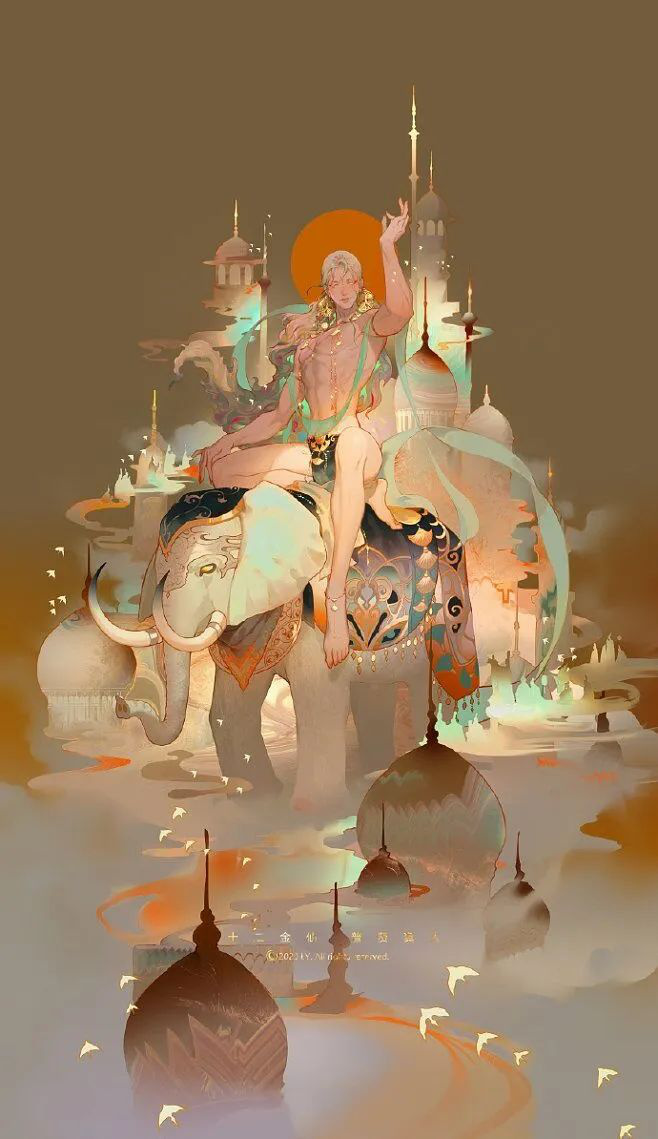
△ Source: chop suey
Although Japan also experienced the impact of western culture, the Japanese government carried out the Meiji Restoration in time. Although its lifestyle was westernized, its ideology did not change much.
Therefore, the favorite monster culture, not only has not been neglected, but has also officially become a science, entered the university campus, and has been formally studied as a folk culture.
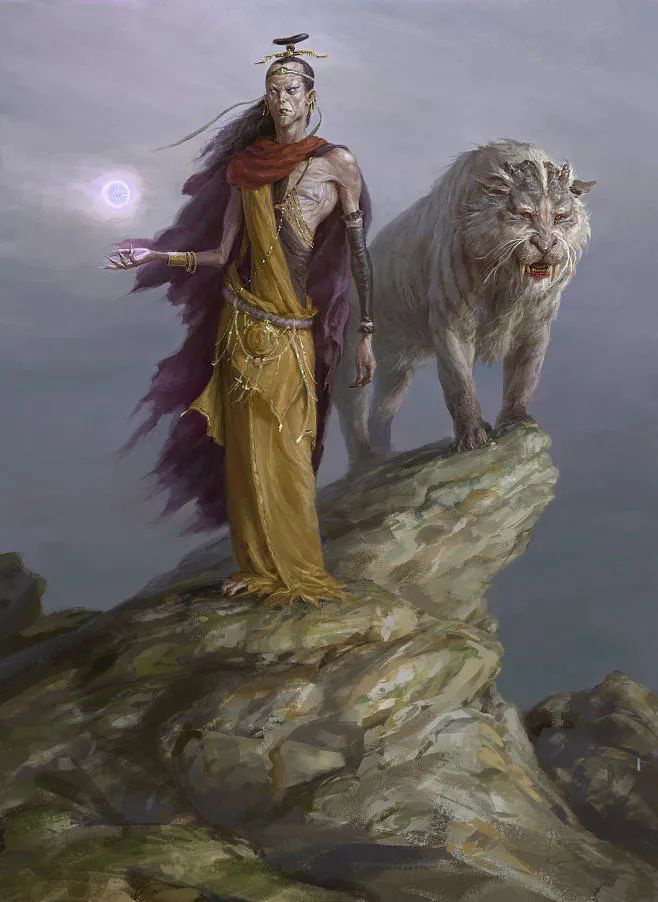
△ Source: Net せMelo
At home, under the guidance of anti-superstition, the monster culture with feudal superstition is opposed.
The development of Japanese animation industry has made Japanese monsters world-famous and become a business card for Japanese cultural promotion.
However, in China, monster culture is attracting people’s attention, and people are more willing to apply it to our cultural industries and cultural works.
References:
[1] China monster culture research.
[2] The influence of the spread of Shan Hai Jing on Japanese monster culture.
[3] On the study of Japanese monster culture in Shan Hai Jing.
[4] Analysis of Japanese monster culture
[5] Study on the image of monsters in the novels of ghosts and gods in Ming and Qing Dynasties
